1. What is a Total Hip Replacement?
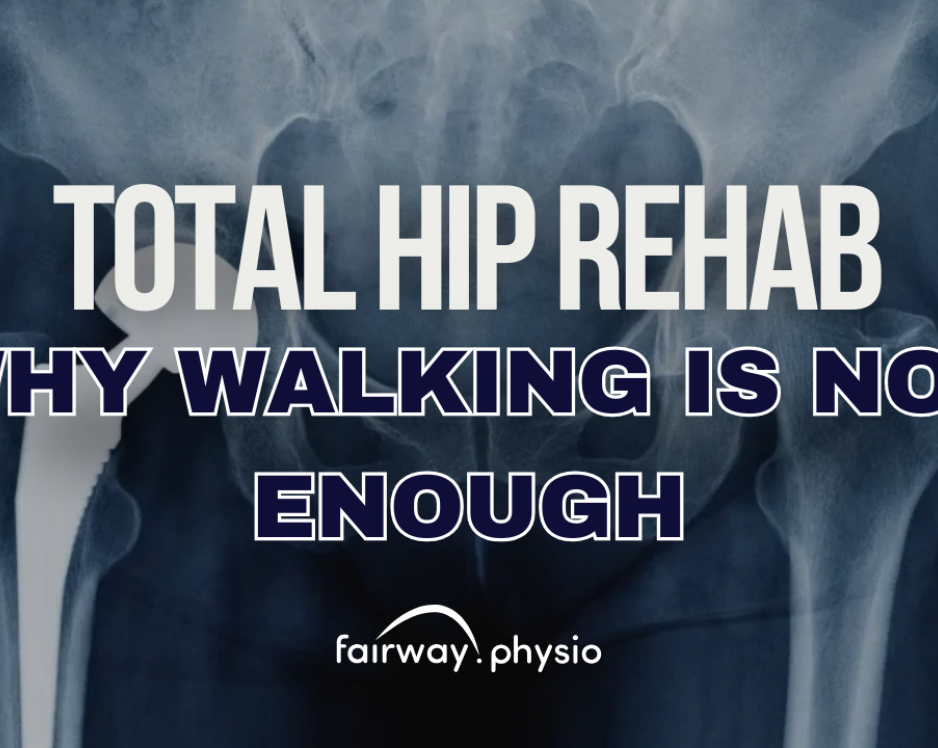
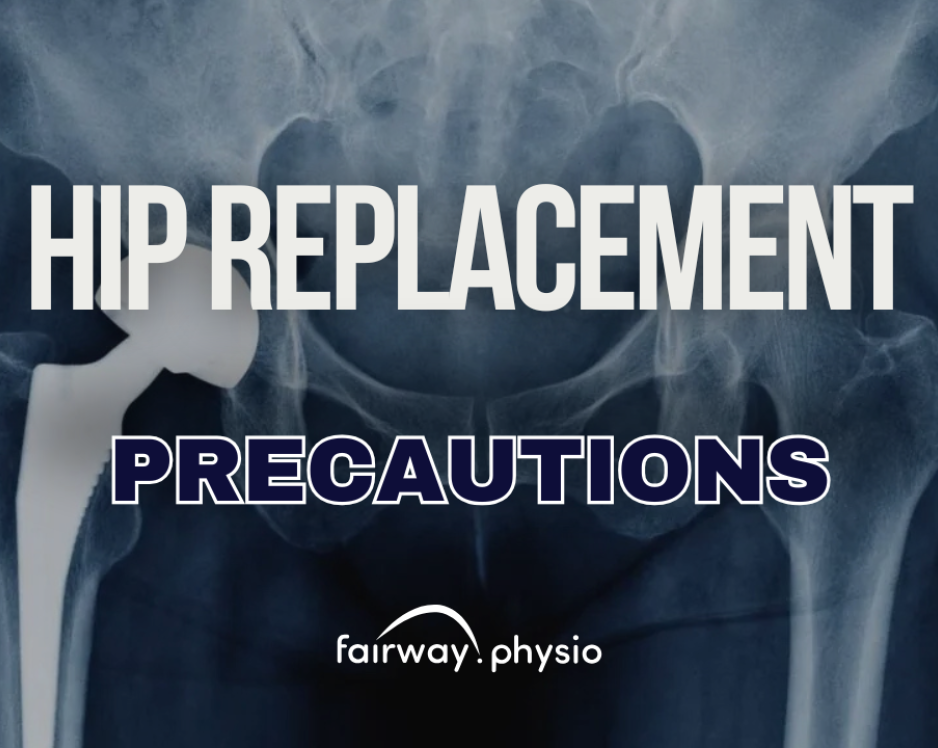
A Total Hip Replacement (THR) is a surgical procedure where the damaged ball-and-socket joint of the hip is removed and replaced with artificial components. These components are typically made from metal, ceramic, or high-grade polyethylene.
The aim of surgery is to reduce pain, improve mobility, and restore quality of life when conservative treatments (exercise therapy, injections, lifestyle modifications) are no longer effective.
2. Why might I need a hip replacement?
The most common reason is advanced osteoarthritis, but THR may also be recommended for:
Rheumatoid arthritis
Avascular necrosis
Hip fractures
Long-standing childhood hip conditions (e.g., dysplasia or Perthes)
Severe pain and stiffness impacting daily activities or sleep
Your orthopaedic consultant will confirm this based on your symptoms, X-rays, and overall function.
3. What should I expect on the day of surgery?
While every hospital differs slightly, most patients can expect:
Admission early in the morning
A spinal anaesthetic (numbs you from the waist down) often combined with light sedation
A surgery time of around 60–90 minutes
Early mobilisation; Many patients stand or walk the same day with support
Discharge typically within 24–48 hours, sometimes the same day for day-case procedures
Your rehab starts immediately, focusing on safe mobility, circulation exercises, and confidence building.
4. Is a hip replacement painful?
You can expect some discomfort—it is a major operation, but, most clients are pleasantly surprised by how manageable the pain is. Modern pain-relief protocols include:
Spinal anaesthetic
Local anaesthetic around the joint
Strong pain medication for the first few days
Gradual tapering to simple analgesics (paracetamol/NSAIDs)
Our rehabilitation plan includes strategies for positioning, icing, pacing, and graded mobility to keep pain levels controlled.
5. How long does it take to recover from a hip replacement?
Recovery varies per person, but general milestones include:
Timeframe | What to Expect |
0–2 weeks | Walking with crutches; improving pain and confidence; working on early exercises. |
2–6 weeks | Increasing independence; moving to a single crutch/stick; basic strengthening exercises progress. |
6–12 weeks | Most people return to routine activities; improved gait; reduced limping; functional strength builds. |
3–6 months | Higher-level strength, balance, and endurance training. |
6–12 months | Full recovery period—optimal strength and mobility achieved. |
Fairway Physio supports you throughout every stage, ensuring safe, progressive rehabilitation tailored to your surgery approach.
6. Will I need physiotherapy after the operation?
Yes, Physiotherapy is essential for:
Improving hip strength and range of motion
Reducing swelling and pain
Restoring normal walking without compensations
Building confidence with stairs, transfers, and daily tasks
Guiding you back to hobbies, sports, or work
7. Are there movement precautions after surgery?
Precautions depend on the surgical approach:
Posterior approach (most common):
Avoid for the first 6 weeks:
Hip flexion beyond 90° - including activities such as leaning forward in a chair
Crossing your legs either at the knee or the ankles. Using a pillow between the knees while lying on your back can help prevent this.
Twisting on the operated leg
Anterior approach:
Fewer restrictions; usually avoid:
Excessive hip extension
Large outward rotation
Your surgeon will confirm your specific precautions, and we will reinforce these throughout your rehab.
8. When can I start walking normally again?
Most people walk the day of surgery with support.
A typical progression:
Day 0–2: Walking in hospital with aids
Week 2: Improved stride length, pain reducing
Week 4–6: Transition to one stick or no aids
Week 6+: Working on gait re-training, posture, and endurance
Your hip strengthening exercises provided by your physiotherapist will significantly help to reduce long-term limping.
9. How long will I need walking aids?
This can vary person to person but on average you can expect:
Crutches for 2–4 weeks helping to de-load the hip in the early stages of rehab
One stick for up to 6 weeks while your mobility and balance improves.
We emphasise quality of movement over speed of progression. it’s more important to walk well than to walk unaided early.
10. Will I set off airport metal detectors?
Probably, yes.
Modern implants often contain metals detectable by scanners. You won’t receive an implant card anymore, but security staff are very familiar with joint replacements.
11. Can I kneel after a hip replacement?
Yes. Kneeling is safe once the wound heals and you feel comfortable.
It may feel strange or stiff initially, but we guide you with safe techniques to change position.
12. When can I return to driving?
Most people return to driving around 4–6 weeks post-op, depending on:
Reaction time
Ability to perform an emergency stop
Pain levels
Medication use
Always check with your surgeon and car insurance provider.
13. When can I return to work?
This depends on your job. You should check with your consultant before the surgery in order to give your employer as much information as possible regarding your expected return to work. You could expect the following with regard to return to work timeframes:
Sedentary/light work: 4–6 weeks
Moderate physical work: 6–12 weeks
Heavy/manual work: 3–6 months, with guided strength and conditioning support
Fairway Physio can tailor a return-to-work plan to your specific demands.
14. Can I return to sport?
Yes. You can expect to return to various sports: Staying as active as possible before surgery will really help returning to activity post-operatively. You will be able to return to activities such as:
Walking and hiking
Cycling
Golf
Swimming (once the wound heals)
Gym-based strength training
Low-impact fitness classes
Higher-impact sports (running, tennis, skiing) may be possible depending on your surgeon’s advice, your pre-surgery ability and your stage of rehabilitation post-op.
We develop a sports-specific rehab plan if needed.
15. What are the signs something might be wrong?
Please contact your healthcare provider urgently if you notice:
Increasing redness or heat around the wound
Fever or chills
Severe swelling or calf pain (possible clot)
Sudden inability to weight-bear
A clicking or popping sensation accompanied by pain (rare dislocation)
Sudden shortening of the operated leg.
If in doubt, contact your GP, consultant or call 111.
16. How long will my hip replacement last?
Modern hip replacements last 15–25 years, often longer.
Longevity depends on:
Activity levels
Body weight
Implant type
Bone quality
How long you continue your rehabilitation programme
Research shows that over 90% of hip replacements are still functioning after 15 years.
17. How can Fairway Physio help before surgery? (Prehab)
Prehabilitation improves your outcomes and confidence. We focus on:
Strengthening the glutes, quads, and core
Improving hip mobility where safe
Optimising cardiovascular fitness
Education on walking aids, home setup, and postoperative expectations
Reducing anxiety by helping you feel prepared and in control
Patients who complete prehab often recover faster and with less pain.
18. I’m nervous about surgery. Is this normal?
Completely normal. In fact, most people undergoing THR experience some degree of anxiety. A THR is major surgery but you can be reassured that it is a routine surgery and most people significantly improve their quality of life for having the surgery.
We find education and preparation reduce this significantly.
At Fairway Physio, we:
Talk you through what to expect
Help you practise early exercises
Discuss preparing your home environment
Personalise your rehab plan
Support you physically and emotionally throughout your journey
You’re not doing this alone. We are here to guide you every step of the way.