Understanding Iliotibial Band Syndrome (ITBS): A Guide for Runners
If you're a regular runner and you've ever experienced a sharp pain on the outside of your knee, especially during or after a run, you may have experienced a condition known as Iliotibial Band Syndrome (ITBS). It’s one of the most common overuse injuries seen in distance runners, but, with the right knowledge, you can manage the condition and reduce the risk of occurrence.
What Is Iliotibial Band Syndrome?
The iliotibial band (ITB) is a thick band of connective tissue that originates from the Gluteal muscles and the Tensor Fascia Latae (TFL) on the side of the hip and runs down the outside of the thigh knee. ITBS occurs when this band becomes irritated or inflamed, typically as it rubs against the outer part of the knee joint known as the lateral Femoral condyle. The ITB naturally slides over the femoral condyle at around 20 degrees knee flexion. However, with increased tension in the ITB, there is increased friction over this area that may cause the tissue to become sensitive and inflamed.
Common Symptoms of ITBS
Sharp or burning pain on the outside of the knee
Pain often worsens with running. Usually, pain may not be present at the start of your run but develops as you continue. As the injury becomes worse, you may feel the pain earlier and earlier in your runs. If this pattern continues, you may reach a point when running is not possible.Tenderness or clicking on the outside of the knee
You may start to feel a clicking or grating on the outside of the knee when the knee bends through 20 - 30 degrees, the position where the ITB passes closest to the bone.Pain when going downstairs or when sitting for long periods with a bent knee
To walk downstairs normally, the knee passes through this 20 degree knee flexion and so if the ITB is acutely sore, you may feel pain when walking downstairs or hills.
If the ITB is inflamed, you may get an achy pain at rest and you may find that the knee is stiff after having been sat for a while or upon rising in the morning.
What Causes ITBS?
ITBS is primarily an overuse injury. It’s not usually caused by a single traumatic event but rather by repeated stress and poor movement patterns. Common contributing factors include:
Sudden increase in running distance or intensity
Running on sloped surfaces
Weakness in the hip muscles, particularly the gluteus Medius
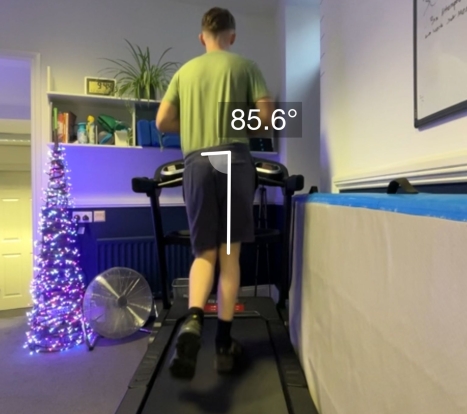
Poor running mechanics, including excessive inward movement of the knee during your gait pattern or excessive lateral hip sway.
Tight or inflexible IT band and surrounding muscles
While the ITB itself is non-contractile, tightness in associated structures like the TFL and Gluteal muscles can increase the tension through the ITB.Worn or inappropriate footwear
Poorly supporting shoes can contribute to poor biomechanics and in turn lead to increased strain on the ITB.
Tips to Help Reduce Your Risk of ITBS
1. Strengthen Your Hips
Weak glutes and hip stabilisers are a major contributor to ITBS. Add exercises like:
Side-lying leg lifts
Monster walks with resistance bands
Single-leg glute bridges
2. Build Up Gradually
Avoid sudden increases in mileage or intensity. Use wearable tech or use Apps such as Strava to monitor your milage.
3. Vary Your Running Routes
Don’t run the same route over and over again. Add some variability to your running. If you’re starting with symptoms, perhaps try to run on flatter, more even surfaces and alternate directions if running loops. You could use Apps such as Komoot to help select new routes keeping your running routes fresh and inspiring.
4. Stretch and Foam Roll
Focus on the glutes, TFL, Quads, and Hamstrings. Foam rolling these areas regularly can help reduce feelings of muscle tightness that contribute to ITB irritation.
5. Check Your Running Form
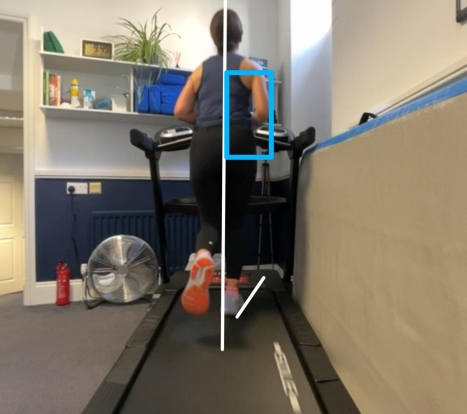
Consider a gait analysis. At Fairway Physio, our running assessments include video gait analysis and movement screening to detect imbalances and poor biomechanics that can contribute to ITBS and other injuries.
6. Update Your Footwear
Worn-out or inappropriate shoes can change your mechanics and increase strain on the ITB. Replace your running shoes every 300–500 miles and consider a fitting with a specialist.
When to Seek Help
If pain persists for more than a few days, or worsens with activity, it’s important to seek professional help. Physiotherapy can help identify the root cause of your ITBS and provide a tailored rehabilitation plan to get you back to running pain-free.
At Fairway Physio, we specialise in helping runners overcome injuries and improve their performance. Whether you're training for your first 10K or preparing for a marathon, we’re here to help.
By Fairway Physio | Specialist Running Injury Support in Lancaster