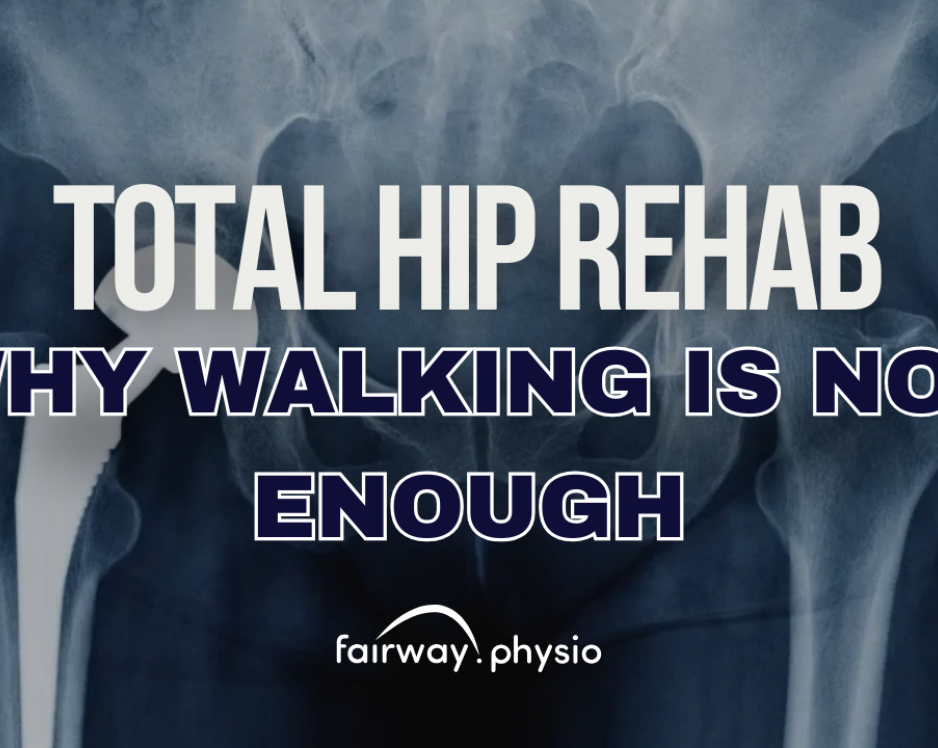
Total Hip Replacement Precautions: What You Need to Know After Surgery
One of the most common questions patients ask before a total hip replacement (THR) is, "What movements will I need to avoid after surgery?"
Hip precautions are temporary movement restrictions designed to reduce the risk of dislocation while the soft tissues around your new hip are healing. Although a hip replacement is a highly successful operation, the muscles, joint capsule and ligaments around the hip need time to recover following surgery. During this period, certain movements can place excessive stress on the new joint.
The exact precautions you are given will depend on the surgical approach used by your consultant.
Posterior Hip Replacement Precautions
The posterior approach remains one of the most commonly performed hip replacement procedures in the UK. Following this surgery, patients are typically advised to avoid:
Bending the hip beyond 90 degrees
Crossing the legs or ankles
Twisting on the operated leg while standing or sitting
These movements combine hip flexion, adduction and internal rotation, which are the positions most associated with a posterior hip dislocation.
Most surgeons recommend following these precautions for approximately 6 to 12 weeks, although the exact timeframe varies between consultants.
Practical Tips for Everyday Life
The good news is that with a little planning, most daily activities can still be performed safely.
Sitting
Choose chairs with a higher seat height and firm cushions. Avoid low sofas or deep armchairs that cause your hips to drop below your knees. It is worth checking these by sitting in the chair you will be sitting in post-op, before your surgery to see how much you sink into the chair cushion. When sitting, it is also important that your feet remain on the floor and that your lower back is supported. If you can’t reach the back of the chair with your bum while keeping your feet on the floor, pad the chair with firm pillows to provide the support in the lower back.
Dressing
Many patients find a long-handled reacher/grabber, a sock aid and shoehorn invaluable during the first few weeks. These simple tools allow you to dress independently without bending excessively at the hip.
Picking Things Up
Avoid bending forwards from the waist. Instead, use a reacher/grabber, or, ask for assistance. Preparing your home before surgery by moving commonly used items to waist height can also be helpful. If you have to bend to pick something up from the floor, ensure balance support with your walking aid or sturdy furniture and slide the operated leg out behind you as you bend forward.
Sleeping
Follow your consultant's advice regarding sleeping positions. Many patients are advised to sleep on their back in this initial period. A lot of patients find this one of the hardest parts of their recovery. If side sleeping is permitted, a pillow between the knees can help maintain a safe hip position but this is not common practice for most procedures in the early phases of recovery.
Getting In and Out of a Car
Slide the seat back, allowing plenty of space to swing the legs into the car. Raise the car seat as high as you can reasonably get it, so that you do not have to drop into a low seat. Recline the seat slightly. Stand outside the car with your back to the seat. Lower your bum to the seat keeping the operated leg kicked out in front of you. Once sat, carefully bring your legs into the vehicle together. You may require someone to help you with the legs initially, especially the first time when leaving hospital. Ensure you lean back into the seat as you swing the legs in to prevent over flexing the hip. Avoid twisting as you enter or exit.
Tip: It can be useful to put a plastic carrier bag on the seat so that as you swing the legs in to the car, your bum will slide with reduced friction and prevent twisting the hip.
Why These Precautions Matter
While the risk of dislocation after modern hip replacement surgery is relatively low, the consequences can be significant. A dislocation is painful, requires further hospital treatment and can delay rehabilitation.
Hip precautions are not intended to make life difficult. They are simply temporary measures designed to protect your new joint during the early stages of healing.
What If I Had an Anterior Hip Replacement?
Patients who undergo an anterior hip replacement often have fewer restrictions because the muscles and tissues at the back of the hip remain largely untouched.
Many surgeons allow earlier return to normal movement and may not prescribe the traditional posterior precautions. However, every surgeon has their own rehabilitation protocol, so it is important to follow the specific advice you are given.
Even after an anterior approach, patients should still avoid sudden extreme movements, high-impact activities and situations that increase the risk of falls during the early recovery period.
The Bottom Line
Hip precautions are a short-term investment in the long-term success of your new hip. By following your surgeon's advice and making a few practical adjustments around the home, you can significantly reduce the risk of complications and focus on what matters most: getting back to walking, moving and enjoying life with less pain.