How Pilates Can Help Low Back Pain, Neck Pain and Shoulder Pain
At Fairway Physio, we regularly work with people struggling with:
Persistent low back pain
Neck stiffness
Shoulder discomfort
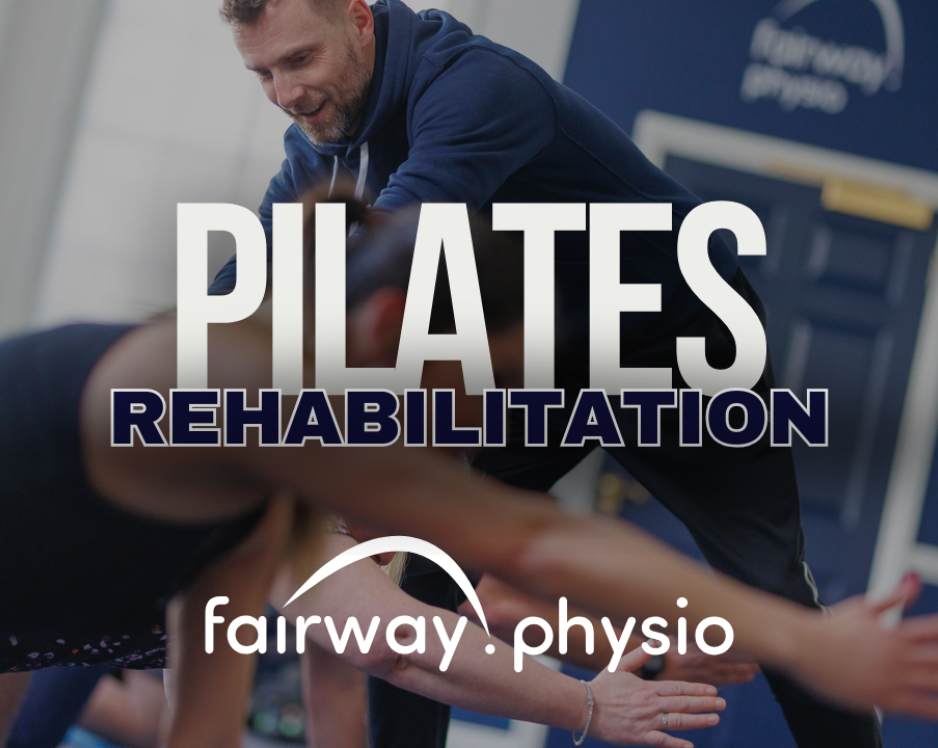
Alongside hands-on treatment and rehabilitation exercises, Pilates is one form of exercise that continues to show excellent results across all three areas.
Pilates is often misunderstood as simply a stretching class or low-intensity workout. In reality, it is a structured form of movement rehabilitation focused on:
Strength
Control
Posture
Breathing
Body awareness
When used within a physiotherapy-led rehabilitation programme, Pilates can help reduce pain, improve movement quality, and build long-term resilience.
Why Do People Develop Back, Neck and Shoulder Pain?
Modern lifestyles place a large amount of stress on the body. Long hours sitting at desks, reduced physical activity, repetitive movements, stress and poor movement habits can all contribute to pain developing over time.
Many people with ongoing pain also develop:
Reduced muscular endurance
Poor postural control
Stiffness through the upper back and hips
Weakness around the trunk and shoulder girdle
Reduced body awareness and movement confidence
Protective movement patterns that increase tension and sensitivity
Pain is rarely caused by one single issue alone. Instead, it is often a combination of reduced strength, reduced movement variability, stiffness, stress and deconditioning. This is where Pilates can be extremely useful.
How Pilates Helps Rehabilitation
Pilates focuses on controlled movement patterns that improve the body's ability to support and stabilise itself during everyday activities.
Rather than aggressively loading painful structures, Pilates allows people to gradually rebuild movement confidence and strength in a controlled and progressive way.
Key principles include:
Core muscle activation and trunk control
Breathing control
Spinal mobility
Postural awareness
Balance and coordination
Controlled strengthening
Movement precision
Importantly, Pilates is highly adaptable. Exercises can be modified for beginners, individuals in pain or those returning from injury.
Pilates for Low Back Pain
Low back pain is one of the most common musculoskeletal conditions treated in physiotherapy clinics. Many people experience recurrent episodes that impact work, sleep, exercise and general quality of life.
In people with ongoing low back pain, we commonly see:
Reduced trunk strength and endurance
Fear of movement
Reduced hip mobility
Poor movement control
Increased muscular tension
Difficulty tolerating prolonged sitting or standing
Pilates can help address many of these issues simultaneously.
Improved Core Support
The deep trunk muscles play an important role in supporting and controlling spinal movement. Pilates exercises aim to improve coordination and endurance of these muscles without excessive spinal loading.
This does not mean “pulling your stomach in” aggressively or bracing constantly. Instead, Pilates teaches efficient muscular support during movement.
Improved Spinal Mobility
Many people with back pain become stiff through parts of the spine while overloading others. Pilates incorporates gentle spinal mobility exercises that can help improve movement distribution and reduce excessive strain.
Increased Confidence With Movement
Fear avoidance is common in persistent back pain. People often become worried about bending, lifting or twisting.
Pilates provides graded exposure to these movements in a safe and controlled environment, helping people rebuild confidence and reduce movement-related fear.
Better Postural Endurance
Sustained sitting and desk-based work often aggravate back pain. Pilates helps improve endurance through the trunk and postural muscles, making it easier to tolerate everyday positions for longer periods.
Pilates for Neck Pain
Neck pain is increasingly common, particularly in individuals who spend long periods working on computers, driving or using phones and tablets.
Many people with neck pain develop:
Forward head posture
Upper trapezius tension
Reduced deep neck muscle endurance
Thoracic spine stiffness
Stress-related muscle tightness
Headaches associated with neck tension
Pilates can help by addressing both the neck itself and the surrounding areas that influence neck mechanics.
Improved Posture and Alignment
Pilates places a strong emphasis on posture and body awareness. Improving thoracic extension, shoulder positioning and head alignment can reduce excessive stress on the cervical spine.
Reduced Muscle Tension
Many people overuse superficial neck muscles during daily activities. Pilates encourages improved movement efficiency and breathing control, which can help reduce unnecessary muscular tension.
Strengthening of Supporting Muscles
The neck does not work in isolation. The upper back, shoulder blades and trunk all contribute to neck function. Pilates helps strengthen these supporting regions to improve overall load tolerance.
Breathing and Stress Management
Stress and anxiety often contribute to neck tension. Pilates incorporates controlled breathing patterns that may help reduce muscle guarding and improve relaxation.
Pilates for Shoulder Pain
Shoulder pain can develop for many reasons including rotator cuff irritation, postural overload, reduced thoracic mobility and poor shoulder blade control.
Common symptoms include:
Pain reaching overhead
Clicking or pinching sensations
Weakness
Stiffness
Pain sleeping on the shoulder
Pain during gym or sporting activities
Pilates can play an important role in shoulder rehabilitation by improving how the shoulder blade, thoracic spine and trunk work together.
Improved Shoulder Blade Control
Efficient shoulder function depends heavily on good scapular control. Pilates exercises often focus on improving coordination and stability around the shoulder girdle.
Thoracic Mobility
A stiff upper back can place additional stress on the shoulder joint. Pilates incorporates thoracic mobility work which can improve shoulder movement mechanics.
Controlled Strengthening
Pilates allows gradual strengthening of the shoulder complex without excessively aggravating symptoms. This can be particularly useful during early-stage rehabilitation.
Whole Body Movement Integration
The shoulder functions best when the trunk, spine and hips contribute efficiently to movement. Pilates encourages this whole-body approach rather than isolating one painful area.
Is Pilates Suitable for Everyone?
Pilates can be beneficial for many people, but exercises should always be matched to the individual.
Some people may require:
Modified exercises
A slower progression
Individual physiotherapy assessment first
Alternative rehabilitation approaches initially
This is why physiotherapy-led Pilates can be particularly valuable. Exercises can be selected and progressed based on your specific symptoms, movement limitations and goals.
Combining Pilates With Physiotherapy
At Fairway Physio, Pilates is often integrated into a wider rehabilitation programme that may also include:
Physiotherapy assessment and treatment
Strength and conditioning
Mobility work
Sports massage
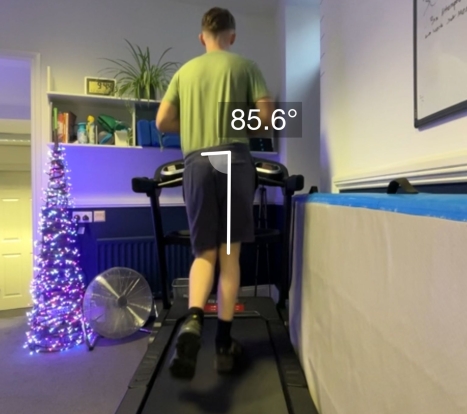
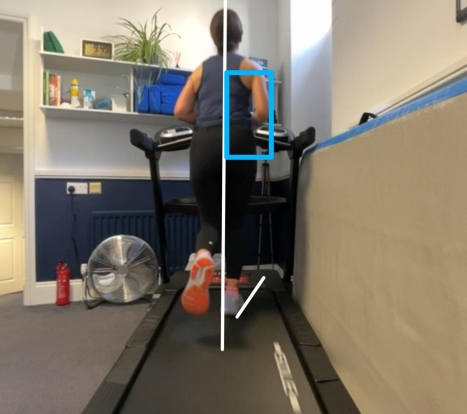
Running or movement analysis
Education and self-management strategies
The aim is not simply to reduce pain temporarily, but to improve long-term movement capacity and resilience.
Final Thoughts
When used appropriately, Pilates it can be an extremely effective rehabilitation tool for people struggling with low back pain, neck pain and shoulder pain. By improving strength, movement control, posture, mobility and confidence, Pilates can help people move better, feel stronger and return to the activities they enjoy.
If you are struggling with ongoing spinal or shoulder pain and would like guidance on whether Pilates-based rehabilitation may help, our team at Fairway Physio can help assess your symptoms and guide you through the most appropriate treatment plan.