How Do I Know If I Have Arthritis in My Hip?
Hip pain is a common complaint, especially as we get older. One of the most frequent causes is hip osteoarthritis (OA), a condition where the smooth cartilage in the joint gradually wears down, leading to stiffness, pain, and reduced movement.
This guide will help you understand:
Who is most likely to develop hip arthritis
What symptoms to look out for
How it affects day-to-day function
How healthcare professionals diagnose it
What Is Hip Osteoarthritis?
Hip osteoarthritis is a degenerative joint condition and often referred to as wear and tear of the joint. Over time, the cartilage that cushions the ball-and-socket joint of your hip becomes thinner and less effective. This can lead to:
Increased friction in the joint
Pain with movement
Stiffness of the joint that worsens particularly after rest.
Who Is Most Likely to Develop Hip Arthritis?
Hip OA doesn’t tend to happen overnight, it tends to develop gradually and is more common in certain groups:
Age
Most commonly in people over 50 years old but more prevalent in people as age progresses into the 60s and 70s.
Hip joint arthritis can happen in younger age groups but these cases tend to have had other problems with the joint beforehand.
Previous Injury
Past hip injuries (e.g. sports injuries, fractures) can increase the risk of arthritis.
Other less common factors that may lead to hip joint arthritis include
repetitive loading / obesity / genetics and hip joint abnormalities such as impingements or dysplasia that lead to increased joint stress over time.
What Does Hip Arthritis Feel Like?
The symptoms of hip OA are often quite characteristic. People commonly report:
Pain Location
Deep ache in the groin (most common) that can sometimes spread to the outer hip, thigh, buttock or the knee. Sometimes people complain of what is known as the C-shape sign where they cup their hip with their hand to indicate the pain spreading from the front of the hip, around the side and into the buttock.
The pain can start in any one of these areas and although it commonly effects the groin, everyone is different and pain effects individuals in different ways.
Stiffness
Stiffness is a common symptom of hip arthritis. Especially first thing in the morning or after sitting. Some sufferers may report that stiffness has been present in the hip for some time before pain occurrs but due to their ability to continue functional tasks, have not sought help until pain occurred.
Stiffness is often reported as “taking a few minutes to loosen up”. Gentle movement generally helps stiff joints but can return if activity levels become too long or arduous.
Pain with Activity
Pain is often the main complaint of an arthritic hip and becomes the limiting factor in functional and social activities. Weight bearing on the effected side, walking, and after periods of inactivity are the main aggravating factors.
Climbing stairs and standing for long periods may also irritate the joint.
Reduced Movement
Function reduces with increased pain and stiffness in the joint. Individuals may find it difficult to put on socks or shoes. They may also struggle doing simple tasks such as crossing legs while sitting and may feel like the hip is restricted or tight.
What Do People Struggle With Functionally?
As hip OA progresses, everyday tasks can become more difficult:
Getting in and out of a car
Bending down to pick things up
Walking uphill or on uneven ground
Standing up from low chairs
Participating in sport or exercise
Many people also notice they start to walk differently (a limp) to avoid discomfort.
How Is Hip Arthritis Diagnosed?
To diagnose hip arthritis, health professionals use a combination of your symptoms, a physical examination, and sometimes imaging.
1. Your Story (Subjective Assessment)
A physiotherapist or doctor will ask about:
Where your pain is
When it started
What makes it better or worse
How it affects your daily life
The pattern of symptoms is often very telling.
2. Physical Examination
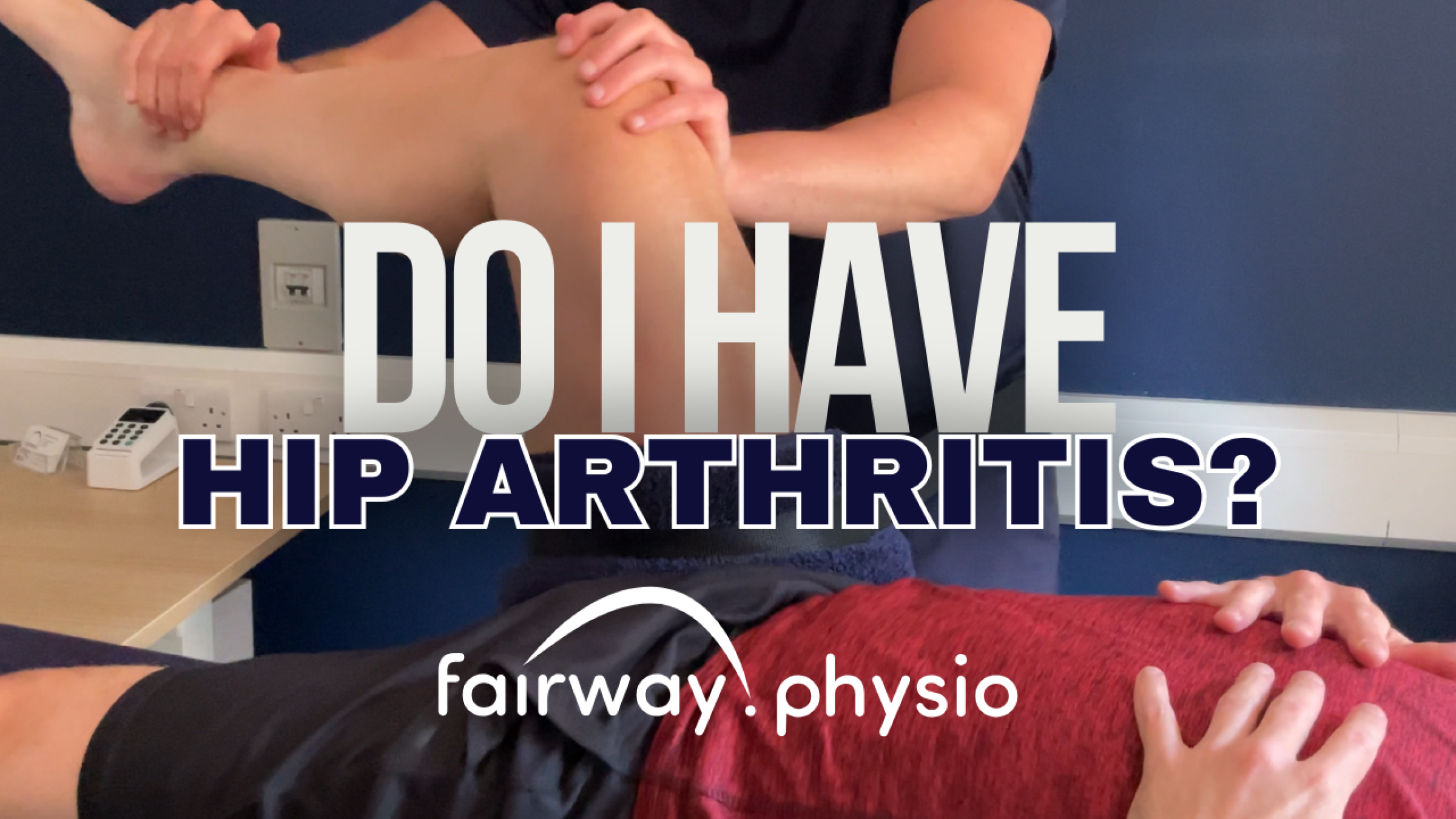
A key part of diagnosing hip OA is identifying something called a capsular pattern. The capsular pattern is a predictable pattern of movement restriction seen in certain joints when the joint capsule is affected. Essentially the hip joint loses movement in certain directions. Your physiotherapist will assess the range of motion in all directions to see where the restrictions lie. Typically restrictions occur in hip joint flexion (knee to chest), internal rotation and Abduction (moving the leg to the side).
If a capsular pattern is noted and is combined with the symptoms above in your history, the therapist can be confident that it strongly points towards a hip joint pathology like osteoarthritis.
3. Imaging (X-ray)
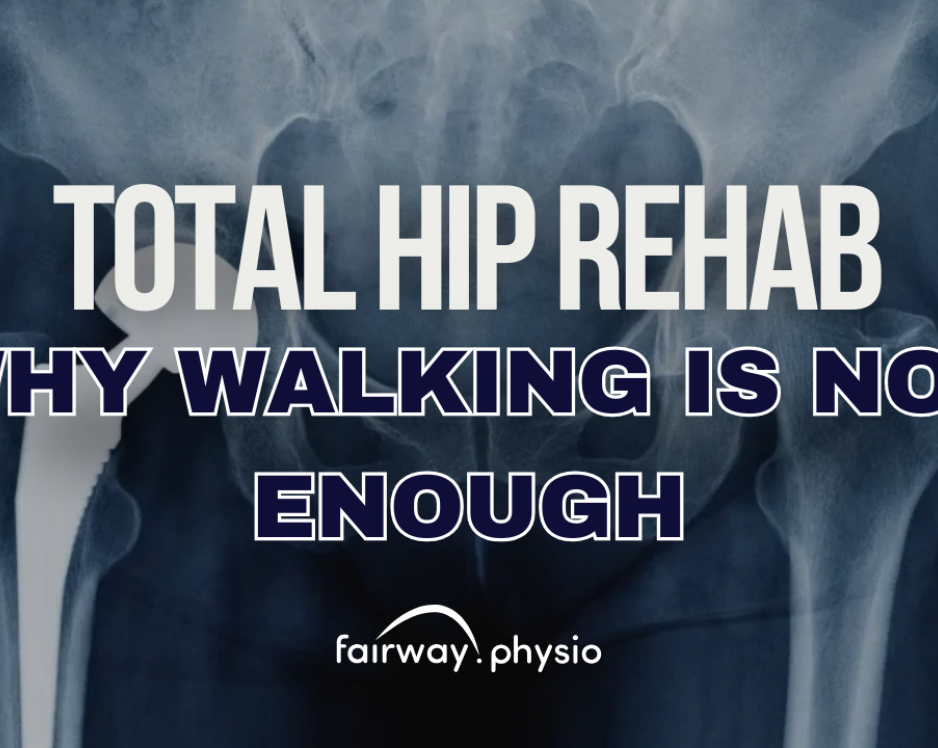
An X-ray can help confirm the diagnosis by showing structural changes such as:
Narrowing of joint space
Bone spurs (osteophytes)
Changes in bone shape
However, an important point:
X-rays don’t always match symptoms.
Some people have obvious arthritis on X-ray but minimal pain, while others have significant pain with only mild changes. Imaging should not be relied on in isolation and always compared to your subjective history of the problem and physical examination findings.
When Should You Seek Help?
You should consider seeing a physiotherapist or GP if:
Your hip pain has lasted more than a few weeks
It’s limiting your daily activities
You’re noticing stiffness and reduced movement
You’re unsure what’s causing your symptoms
Early assessment can help guide the right management and often slow progression.
The Good News
A diagnosis of hip arthritis doesn’t mean you’re heading straight for surgery.
In fact, the majority of people can manage symptoms effectively with:
Targeted strength and mobility exercises
Activity modification (not avoidance)
Education around load management
Physiotherapy plays a key role in helping you:
Reduce pain
Improve movement
Stay active long-term
Final Thoughts
Hip osteoarthritis has a fairly recognisable pattern including a gradual onset of groin pain, stiffness, and reduced movement. When these symptoms are combined with clinical findings like a capsular pattern and supported by imaging, clinicians can make a confident diagnosis.
If you’re experiencing hip pain and this sounds familiar, getting it assessed early is the best step you can take. If you’d like help understanding your hip pain or want a structured plan to get back to doing what you enjoy, working with a physiotherapist can make a significant difference. Book your appointment now at www.fairway-physio.co.uk