What does a sports massage actually do and when should you get one?
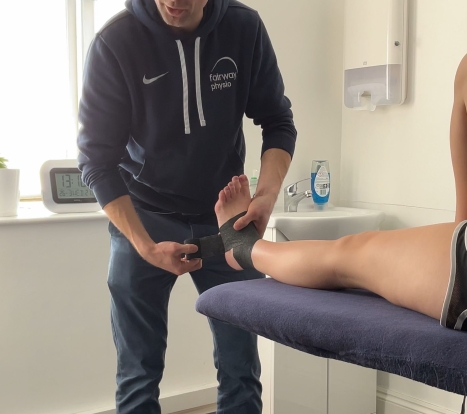
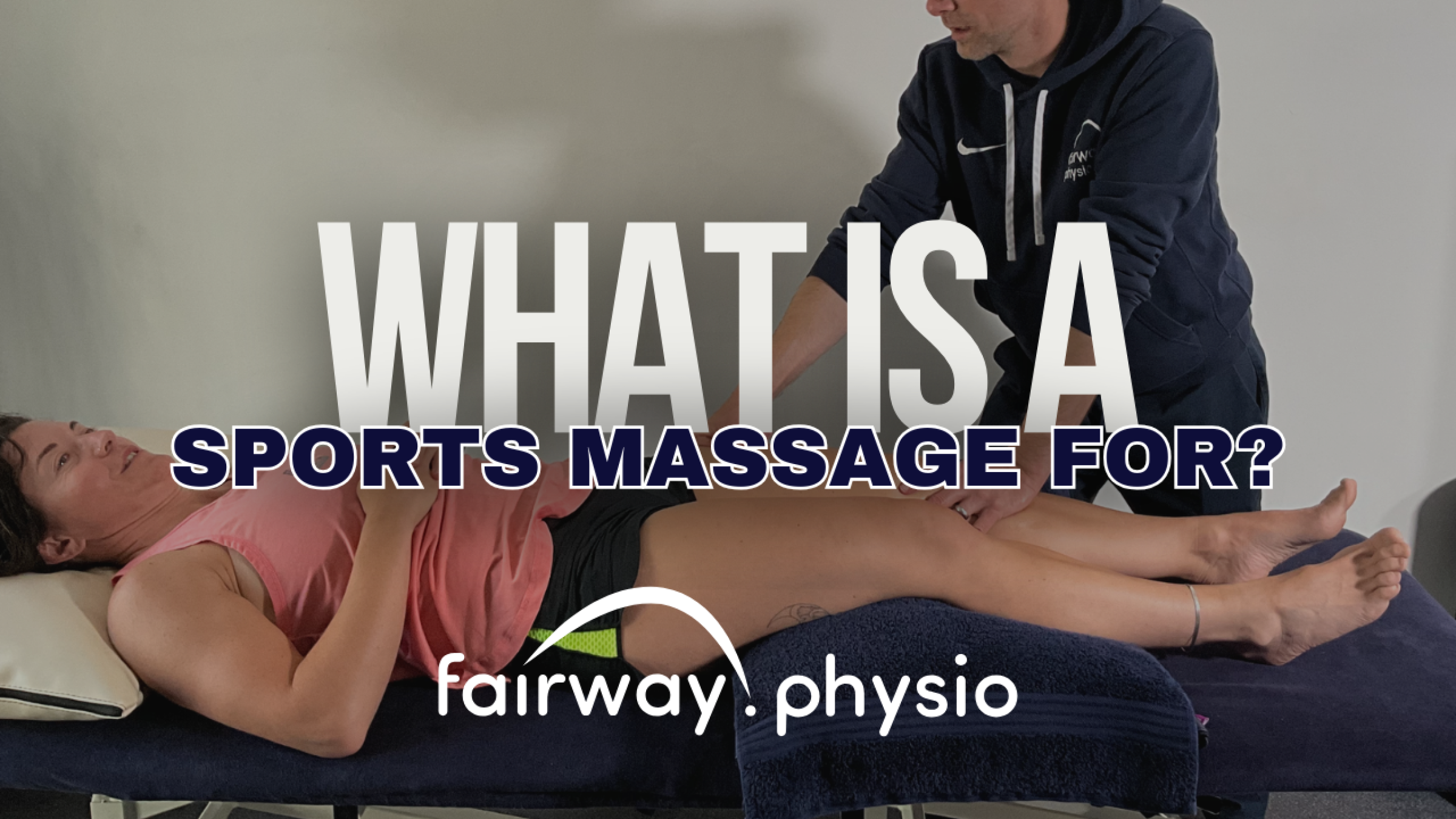
Sports massage is often misunderstood as simply a “harder” version of a relaxing massage. In reality, it is a targeted, clinically reasoned treatment designed to influence how your muscles, tendons and nervous system behave. It sits somewhere between recovery work and active rehabilitation, and when used properly, it can play a meaningful role in both performance and injury management.
What does a sports massage actually do?
At a tissue level, sports massage works by applying specific pressures and movements to muscles and surrounding structures. This creates several useful effects.
Firstly, it helps improve local blood flow. Increased circulation brings oxygen and nutrients into the area while assisting the removal of metabolic waste products. This is particularly helpful after training or competition when tissues are under higher physiological stress.
Secondly, it can reduce muscle tone. Tight or overactive muscles often feel stiff, restricted or uncomfortable. Through techniques such as deep tissue work, trigger point therapy and stretching, sports massage can help down-regulate this tension. Importantly, this is not about “breaking down knots” in a structural sense, but more about influencing the nervous system to allow the muscle to relax.
There is also a mechanical effect on soft tissues. Massage can improve tissue extensibility, meaning muscles and fascia may move more freely. For someone who feels restricted in movement, this can create short-term improvements in range of motion.
Finally, there is a strong neurological component. Sports massage can reduce pain sensitivity by altering how the brain interprets signals from the body. Many people leave a session feeling looser, lighter and more comfortable, even if the underlying issue still requires longer-term rehabilitation.
When should you get a sports massage?
Sports massage is not just for athletes. It can be useful for anyone who exercises regularly, has a physically demanding job, or even spends long periods sitting at a desk.
You might consider a sports massage if:
You are experiencing muscle tightness or stiffness that is limiting your movement
You feel sore or fatigued after training and want to support recovery
You are returning to exercise after a period of injury or inactivity
You are building up to an event and want to keep your body moving well
You have ongoing niggles that feel muscular in nature
It can also be used alongside physiotherapy. In many cases, massage helps reduce symptoms enough to allow you to move and exercise more effectively, which is where the real long-term progress is made.
When is it not enough on its own?
This is where expectations need to be clear. Sports massage is rarely a standalone solution for persistent pain or injury. If the underlying issue relates to strength deficits, poor load management or joint problems, massage alone will not fix it.
For example, if someone has recurrent calf strains or ongoing shoulder pain, the key driver is often how that area is being loaded and controlled. Massage may ease symptoms temporarily, but without addressing the root cause through targeted rehabilitation, the problem is likely to return.
How often should you have one?
This depends entirely on your goals. Some people benefit from occasional sessions during heavy training periods or when symptoms flare up. Others may use it more regularly as part of a broader recovery strategy.
There is no fixed rule, but it should always be guided by need rather than routine. If you feel consistently reliant on massage just to get through normal activity, that is usually a sign that something deeper needs addressing.
The key takeaway:
Sports massage is a valuable tool, but it works best when used in the right context. It can reduce pain, improve movement and support recovery, but it should ideally form part of a bigger plan that includes strength, movement and load management.
If used well, it can help you move better in the short term and perform better in the long term.
To book your Sports Massage at Fairway Physio, go to: www.fairway-physio.co.uk